

Author name: zorozoro97421@gmail.com

Gemini Generated Image o277ako277ako277 1 Gemini Generated Image o277ako277ako277 1
Uncategorized

The Authority Pivot: Bridging the Content Gap in an AI-Driven Era

The most effective content marketing strategies in 2026 have shifted away from sheer volume toward high-utility, human-centric authority. As AI-generated filler floods the internet, the “Content Gap” has become the primary battlefield for brands looking to earn trust. This gap isn’t just a lack of information; it is the space between generic search results and the nuanced, lived experience that users actually crave. To win, creators must move beyond the “Ultimate Guide” trope and lean into radical transparency. This means sharing internal data, highlighting specific failures, and providing “Day Zero” case studies that demonstrate real-world application rather than theoretical success. Furthermore, the technical side of content has evolved into a multimodal experience. A static wall of text is no longer sufficient to maintain engagement in a high-speed digital economy. Successful blog posts now function as resource hubs, integrating short-form video summaries, interactive data visualizations, and even AI-driven tools like custom calculators or templates. This approach satisfies the “Experience” and “Expertise” pillars of modern SEO while catering to diverse learning styles. By providing a 30-second video digest alongside a deep-dive analysis, you respect the user’s time while establishing yourself as a premier resource. Finally, the philosophy of distribution has flipped: the value of a piece of content is no longer measured by its existence, but by its atomization. A single high-performing article should serve as the “source code” for a week’s worth of social media snippets, email newsletters, and video scripts. By repurposing core insights into platform-native formats, you ensure that your message reaches the audience where they already live, rather than forcing them to seek you out. In this landscape, the brands that prioritize scannable clarity and authentic connection will consistently outpace those relying on legacy SEO tactics.

0 mGPOHRbDLDtmJIxw 0 mGPOHRbDLDtmJIxw
Uncategorized

The Power of Digital Marketing in 2026: A Complete Guide for Beginners

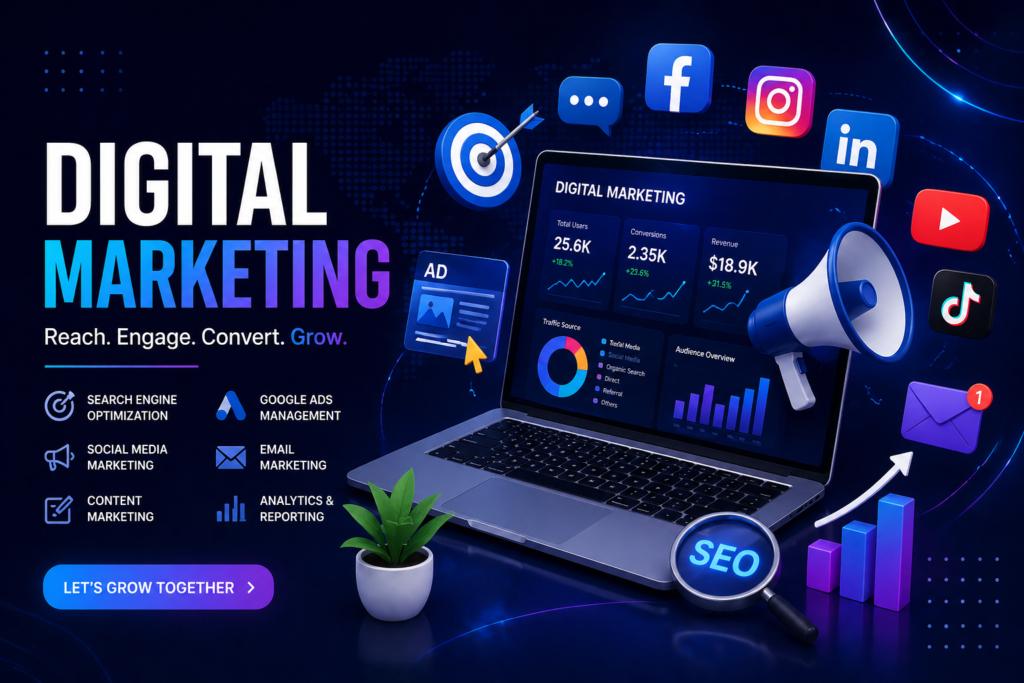
In today’s fast-changing digital world, businesses are no longer relying only on traditional marketing methods. Digital marketing has become the backbone of modern business growth. Whether you are a student, entrepreneur, or business owner, understanding digital marketing can open endless opportunities. What is Digital Marketing? Digital marketing is the promotion of products or services using online platforms such as search engines, social media, email, and websites. It helps businesses connect with their target audience in a more effective and measurable way compared to traditional marketing. Why Digital Marketing is Important Digital marketing allows businesses to reach a global audience at a lower cost. Unlike traditional advertising, it provides real-time data, helping marketers analyze performance and make better decisions. It also enables personalized communication, which improves customer engagement and trust. Key Components of Digital Marketing 1. Search Engine Optimization (SEO)SEO is the process of optimizing your website to rank higher on search engines like Google. It helps drive organic traffic and increases visibility. 2. Social Media Marketing (SMM)Platforms like Instagram, Facebook, and LinkedIn are powerful tools to connect with your audience and build your brand. 3. Content MarketingCreating valuable and relevant content helps attract and retain customers. Blogs, videos, and infographics are common content types. 4. Email MarketingEmail marketing is one of the most effective ways to communicate directly with your audience and promote your services or products. 5. Pay-Per-Click Advertising (PPC)PPC allows businesses to run ads on search engines and pay only when users click on them. Benefits of Digital Marketing Digital marketing offers cost-effective strategies, measurable results, and better audience targeting. It helps small businesses compete with larger companies and builds strong online presence. Conclusion Digital marketing is not just a trend—it is the future of business. Learning digital marketing skills like SEO, social media marketing, and content creation can help you grow your career or business successfully. Start today, stay consistent, and keep learning to stay ahead in the digital world.

ChatGPT Image Apr 30 2026 02 56 32 PM 1 ChatGPT Image Apr 30 2026 02 56 32 PM 1
Uncategorized

Fuel Your Brand with Data-Driven Digital Marketing

The Power of Digital Marketing in the Modern World In today’s fast-paced digital era, traditional marketing is no longer enough to capture attention, build trust, and drive growth. Digital marketing has emerged as the backbone of modern business strategy, transforming how brands connect with their audiences. From startups to global enterprises, every business is now competing in a digital-first world where visibility, engagement, and innovation define success. Digital marketing is not just about promoting products—it’s about creating meaningful experiences. Through channels like search engines, social media, email, and websites, businesses can reach the right audience at the right time with precision and impact. Strategies such as SEO (Search Engine Optimization), content marketing, and paid advertising allow brands to stand out in a crowded marketplace and build long-term authority. One of the greatest strengths of digital marketing is its ability to deliver measurable results. Unlike traditional methods, every click, impression, and conversion can be tracked and analyzed. This data-driven approach empowers marketers to refine strategies, optimize performance, and maximize return on investment. In a world driven by data, those who understand and leverage analytics gain a powerful competitive edge. Moreover, digital marketing breaks geographical barriers. A small business in a local town can now reach a global audience with the right strategy and execution. This level of accessibility has opened doors for entrepreneurs, creators, and businesses to scale like never before. As technology continues to evolve, digital marketing is becoming more dynamic and innovative. Artificial intelligence, automation, and personalization are shaping the future, allowing brands to deliver highly targeted and engaging experiences. The ability to adapt, learn, and stay ahead of trends is what separates successful marketers from the rest. In conclusion, digital marketing is not just a skill—it’s a powerful force that drives growth, builds brands, and shapes the future of business. Those who master it don’t just survive in the digital world—they lead it.

Scroll to Top